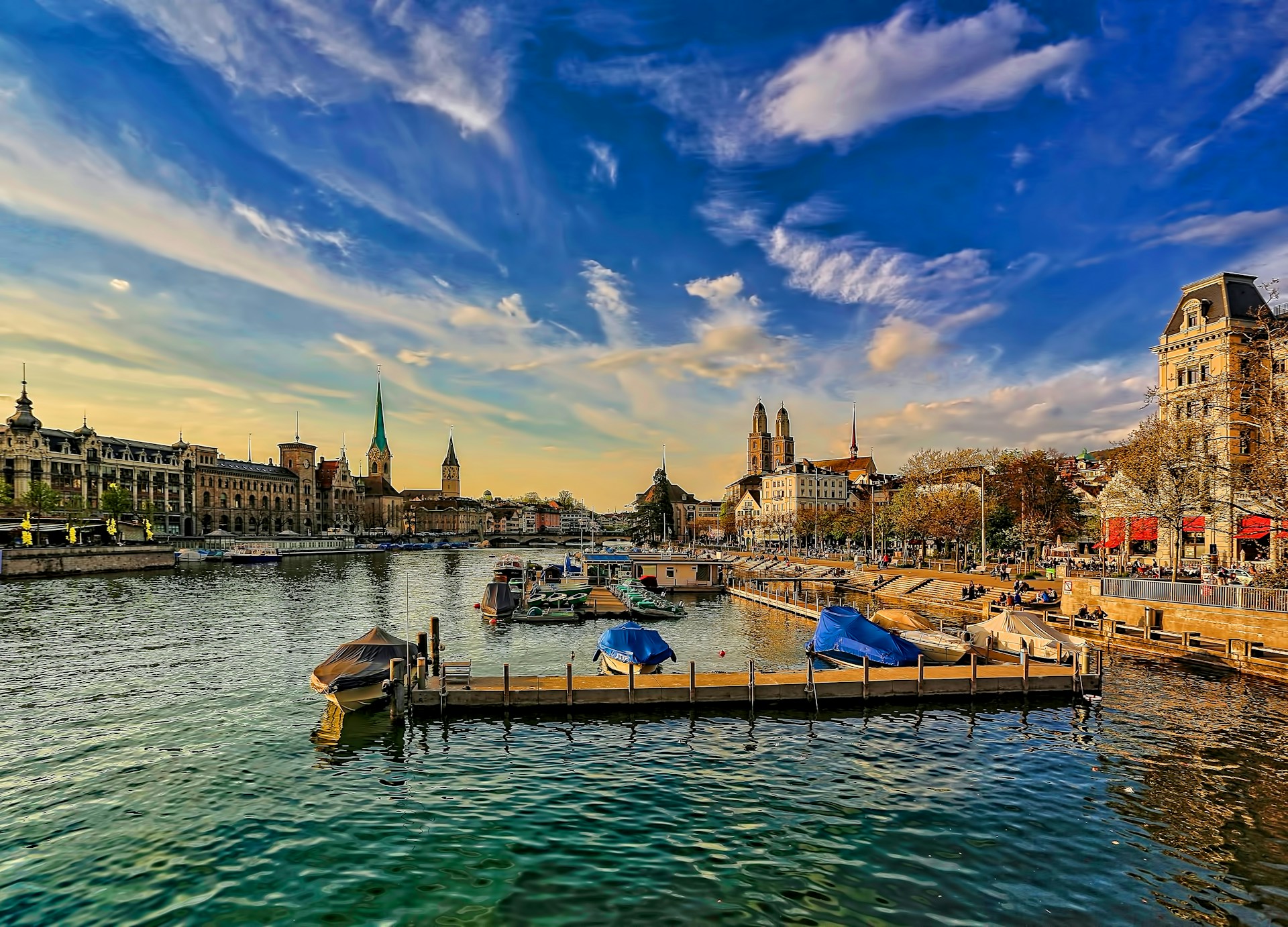
In an era defined by rapid change and ephemeral trends, the built environment stands as a profound testament to human ingenuity and our innate desire for permanence. From the towering spires that punctuate our skylines to the intricate details that define our most intimate spaces, every structure is a deliberate act of creation, a synthesis of vision, science, and artistry. This article posits that true excellence in the built environment is not merely the sum of its parts – construction, civil engineering, and interior design – but rather the exquisite synergy forged when these disciplines converge with a shared commitment to longevity, functionality, and aesthetic transcendence.
We are not simply erecting buildings; we are sculpting the very fabric of civilization, influencing human experience for generations. The authoritative voice of enduring design speaks not in fleeting fads, but in the timeless principles of resilience, harmony, and purpose. It is a dialogue between the earth and the sky, between structure and soul, meticulously orchestrated by the practitioners who understand that their work is a legacy, not merely a project.
The Foundational Imperative: Civil Engineering as the Bedrock
Before a single brick is laid or a design sketch rendered, the unwavering hand of civil engineering lays the groundwork. It is the unseen titan, the silent guardian that bestows integrity and stability upon our grandest ambitions. Civil engineers are the custodians of the earth’s interaction with human endeavor, mastering the forces of nature to create a secure foundation for all that follows.
Beyond Concrete and Steel: Engineering for Resilience
The contemporary civil engineer operates far beyond the traditional purview of concrete and steel. Their expertise encompasses the intricate dance of geology, hydrology, seismology, and environmental science. They design the invisible arteries of our infrastructure – the complex networks of water, waste, and energy – ensuring urban metabolism functions seamlessly. Their calculations mitigate risks from natural disasters, embedding resilience into the very DNA of our cities. It is a discipline rooted in foresight, anticipating challenges decades, even centuries, into the future.
“The true measure of a civilization lies not in its monuments, but in the robustness of its infrastructure and the foresight of its engineering.”
The Silent Architects of Urban Fabric
Civil engineering shapes not just individual structures, but the entire urban fabric. From the graceful spans of bridges connecting disparate communities to the intricate planning of transportation networks that facilitate commerce and connection, their work dictates the flow of life. They are the silent architects of public spaces, ensuring accessibility, safety, and sustainability. Without their rigorous analysis and innovative solutions, our architectural marvels would be mere fantasies, lacking the fundamental stability to stand against time.
Crafting the Shell: Construction’s Role in Realizing Vision
With the foundations meticulously laid, the construction industry steps forward, transforming abstract blueprints into tangible realities. This is where the vision takes physical form, where raw materials are meticulously assembled into monumental expressions of human aspiration. Construction is the disciplined art of execution, demanding precision, rigorous project management, and an unwavering commitment to quality.
Precision, Craftsmanship, and Innovation
Modern construction is a sophisticated orchestration of advanced technologies and time-honored craftsmanship. It integrates cutting-edge material science, digital modeling, and automation with the skilled hands of artisans. The evolution from traditional building methods to modular construction, advanced composites, and sustainable sourcing reflects an industry constantly pushing the boundaries of what is possible. The pursuit of perfection in every joint, every finish, every structural element is paramount.
From Blueprint to Landmark: Bridging Concept and Reality
The construction process is an intricate logistical challenge, managing vast resources, diverse teams, and complex timelines. Project managers act as conductors, ensuring every trade, every delivery, and every inspection aligns with the overarching vision. The ability to anticipate problems, adapt to unforeseen circumstances, and maintain stringent safety standards differentiates a competent builder from a truly exceptional one. It is a testament to human coordination and resolve, translating the architect’s dream into a functional, habitable, and inspiring space.
The Human Experience: Interior Architecture and Design
Once the structure stands, the focus shifts inward, towards the human experience. Interior architecture and design imbue the built form with character, purpose, and a profound connection to its inhabitants. This discipline transforms mere shelter into a sanctuary, a workplace into an incubator of innovation, and a public space into a vibrant hub of community.
Curating Atmosphere: Aesthetics and Functionality
Interior design is far more than decorative flourish; it is a holistic discipline that considers human psychology, ergonomics, acoustics, and the interplay of light and shadow. It is about curating an atmosphere that enhances well-being, productivity, and emotional resonance. The selection of materials, textures, colors, and lighting is meticulously orchestrated to evoke specific moods and facilitate intended functions. Every element is chosen not just for its beauty, but for its contribution to the overall sensory experience and its durability over time.
“A truly sophisticated interior design is not seen, but felt – an ambient symphony that elevates the daily ritual.”
The Art of Inhabitation: Crafting Personal and Public Spaces
Whether designing a private residence, a corporate headquarters, or a grand civic hall, the interior architect’s challenge is to craft spaces that are both beautiful and eminently livable. This involves a deep understanding of human behavior and cultural context. From optimizing spatial flow to integrating smart technologies seamlessly, the goal is to create environments that adapt, inspire, and endure. The finest interiors reflect a timeless elegance, transcending transient trends to offer comfort and sophistication for generations.
The Symbiotic Synthesis: A Unified Vision
The greatest achievements in the built environment arise from the seamless integration of these three formidable disciplines. When civil engineers, construction professionals, and interior designers collaborate from conception, the result is a unified vision where every component reinforces the others, leading to structures that are not only robust and efficient but also profoundly beautiful and deeply resonant.
Integrated Design Thinking: Beyond Silos
The future of sophisticated construction lies in integrated design thinking. This approach breaks down traditional silos, encouraging constant dialogue and shared objectives across all project phases. Building Information Modeling (BIM) and other collaborative platforms exemplify this shift, allowing for real-time adjustments and optimization that consider structural integrity, buildability, and occupant experience simultaneously. This holistic perspective ensures that aesthetic aspirations are structurally sound, and engineering solutions are aesthetically integrated.
Sustainability and Legacy: Building for Tomorrow
In an increasingly resource-conscious world, the confluence of these disciplines is critical for sustainable development. Civil engineering ensures resilient infrastructure, construction employs eco-conscious materials and methods, and interior design prioritizes energy efficiency and occupant health. The collective responsibility is to create structures that not only serve the present but also safeguard the future, minimizing environmental impact and maximizing social value. This is the ultimate legacy: a built environment that endures, inspires, and sustains.
- Holistic Planning: Integrating all disciplines from project inception.
- Material Innovation: Prioritizing sustainable, durable, and aesthetically pleasing materials.
- Human-Centric Design: Focusing on well-being, functionality, and sensory experience.
- Technological Integration: Leveraging BIM and other tools for seamless collaboration.
- Long-Term Vision: Designing for resilience, adaptability, and generational impact.
Conclusion
The creation of the built environment is a monumental undertaking, an enduring act of faith in the future. It demands not just technical prowess, but a deep philosophical understanding of our role as stewards of both the physical and human landscape. The symbiotic relationship between civil engineering, construction, and interior design is the very essence of this endeavor. When these fields are woven together with precision, artistry, and a shared commitment to excellence, they transcend their individual functions to create spaces that are not merely structures, but monuments to human aspiration, testaments to our collective ingenuity, and timeless legacies for generations yet to come. This is the sophisticated art of building – an art that truly shapes the world.
